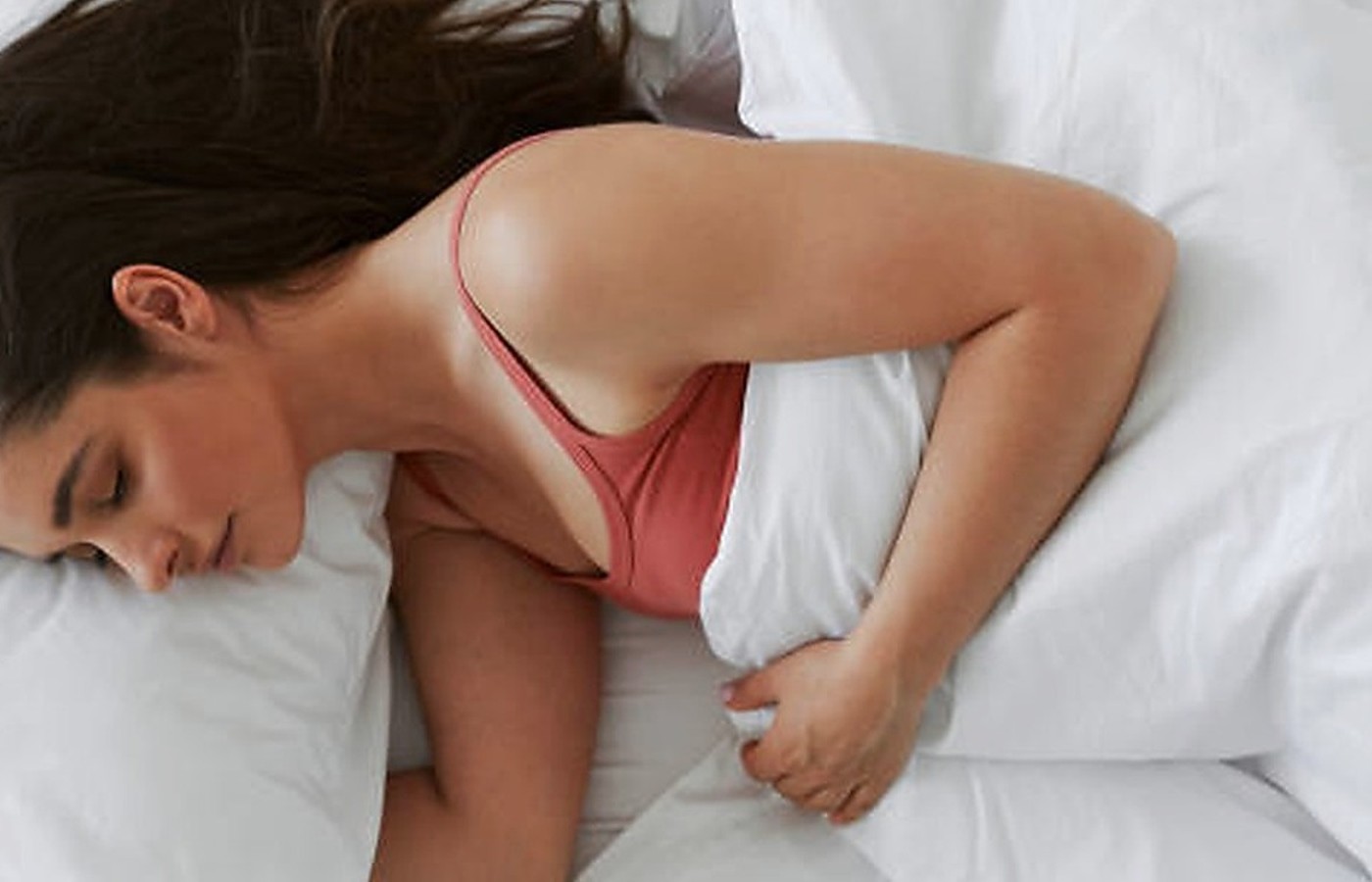
What Resting Recovery Days Can Do for Active People
Clear, practical sleep support guidance built around “What Resting Recovery Days Can Do for Active People.”
What Resting Recovery Days Can Do for Active People can sound simple, but the details that make it useful are usually timing, consistency, and how well it fits the rest of your routine. In sleep support, the surrounding pattern often includes sleep timing, light exposure, caffeine, wind-down habits, and recovery.
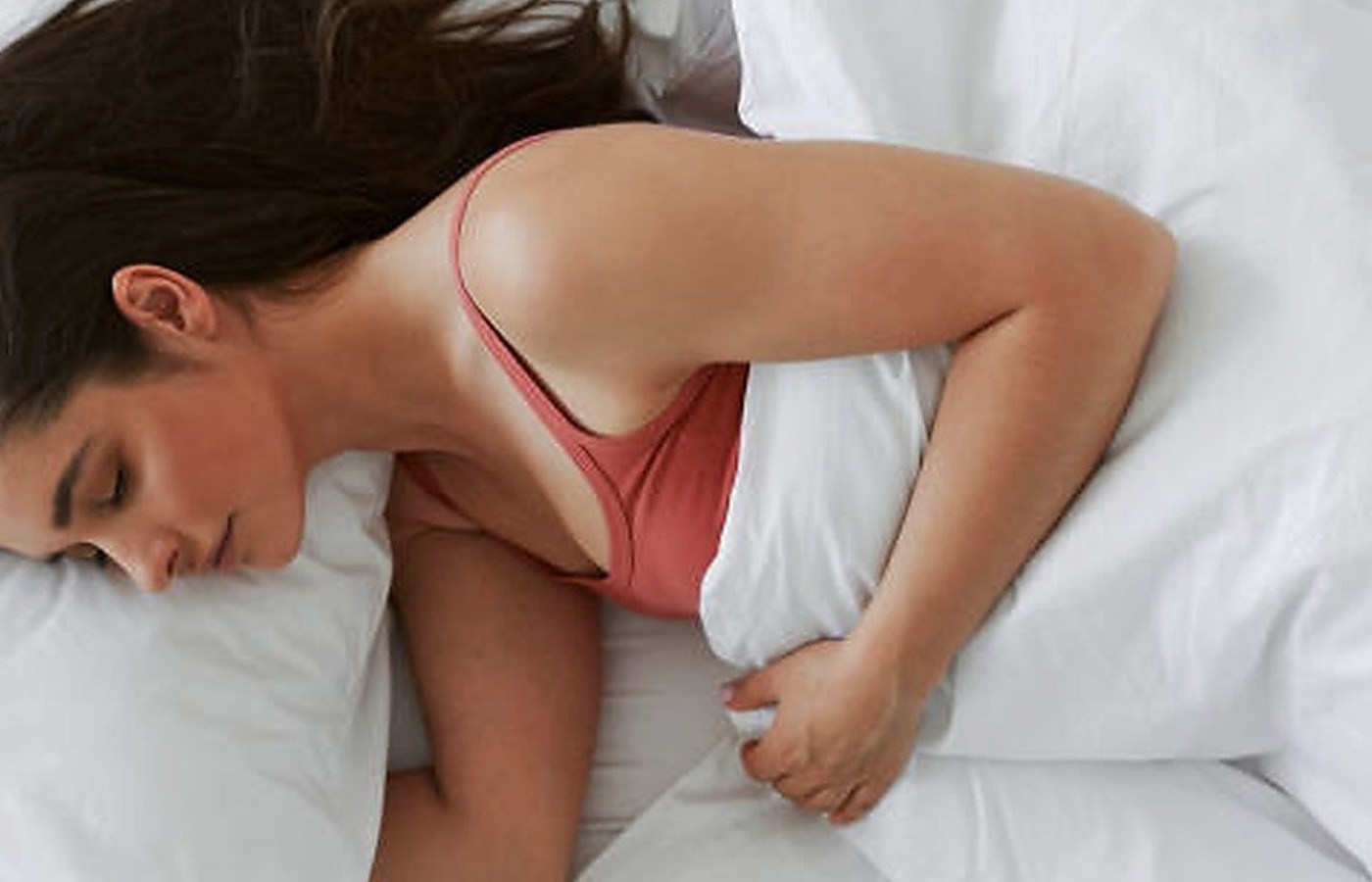
When you see advice about What Resting Recovery Days Can Do for Active People, start by asking what the idea is supposed to improve, how it fits your day, and what would make it unsafe or unrealistic. The most useful version is usually specific enough to try, but flexible enough to adjust. For this topic, think about sleep timing, light exposure, caffeine, wind-down habits, and recovery rather than relying on a single “hack.”
When to get professional guidance
Persistent, severe, rapidly changing, or unexplained symptoms deserve advice from a qualified clinician. For “What Resting Recovery Days Can Do for Active People,” focus especially on resting, recovery, active. Within sleep support, this can be considered alongside sleep timing, light exposure, caffeine, wind-down habits, and recovery. Change one thing at a time so you can tell whether it actually makes your routine easier or more effective.
Questions worth asking yourself
Ask whether the habit is safe, affordable, easy to repeat, and actually connected to the goal you care about. For “What Resting Recovery Days Can Do for Active People,” focus especially on resting, recovery, active. Within sleep support, this can be considered alongside sleep timing, light exposure, caffeine, wind-down habits, and recovery. A useful habit should still make sense on a busy day, not only when you have extra time and motivation.
How to keep the plan flexible
Build a version for busy days, travel days, and weekends so the routine can bend without disappearing. For “What Resting Recovery Days Can Do for Active People,” focus especially on resting, recovery, active. Within sleep support, this can be considered alongside sleep timing, light exposure, caffeine, wind-down habits, and recovery. Change one thing at a time so you can tell whether it actually makes your routine easier or more effective.
A practical one-week experiment
Try one modest adjustment for several days, note what changed, and keep only what is realistic enough to continue. For “What Resting Recovery Days Can Do for Active People,” focus especially on resting, recovery, active. Within sleep support, this can be considered alongside sleep timing, light exposure, caffeine, wind-down habits, and recovery. A useful habit should still make sense on a busy day, not only when you have extra time and motivation.
What to notice in real life
Pay attention to comfort, consistency, energy, sleep, appetite, and how easy the habit is to repeat. For “What Resting Recovery Days Can Do for Active People,” focus especially on resting, recovery, active. Within sleep support, this can be considered alongside sleep timing, light exposure, caffeine, wind-down habits, and recovery. Change one thing at a time so you can tell whether it actually makes your routine easier or more effective.
Make the environment work for you
Keep the useful choice visible and convenient. Small changes in setup often reduce the amount of willpower a routine needs. For “What Resting Recovery Days Can Do for Active People,” focus especially on resting, recovery, active. Within sleep support, this can be considered alongside sleep timing, light exposure, caffeine, wind-down habits, and recovery. A useful habit should still make sense on a busy day, not only when you have extra time and motivation.
Why this topic matters
This topic is easier to use when you connect it with your existing routine instead of treating it as a stand-alone fix. For “What Resting Recovery Days Can Do for Active People,” focus especially on resting, recovery, active. Within sleep support, this can be considered alongside sleep timing, light exposure, caffeine, wind-down habits, and recovery. Change one thing at a time so you can tell whether it actually makes your routine easier or more effective.
Bottom line
What Resting Recovery Days Can Do for Active People is most useful when it supports a realistic routine rather than replacing one. Start small, keep the parts that fit, and use professional care when symptoms or medical conditions make generic advice inappropriate.